
My behavior management approach is rooted in community and consistency. I aim to build a classroom culture where students understand expectations, feel supported in meeting them, and are motivated by both intrinsic and shared goals.
Community Building
In my classroom, I intentionally build a strong sense of community through shared rituals, student voice, and mutual respect. For example, students help create our class call-and-responses, and, when time permits, they have the opportunity to teach mini-lessons on topics they’re passionate about. These routines foster a culture of ownership and belonging. I also prioritize one-on-one check-ins to build trusting relationships and create a safe space for students to share and grow. Together, we co-create classroom norms and celebrate our collective identity through whole-group rewards, such as slime parties or classroom cooking days. These experiences make our classroom feel like a team, where every student is valued and included.
Whole-Group Management
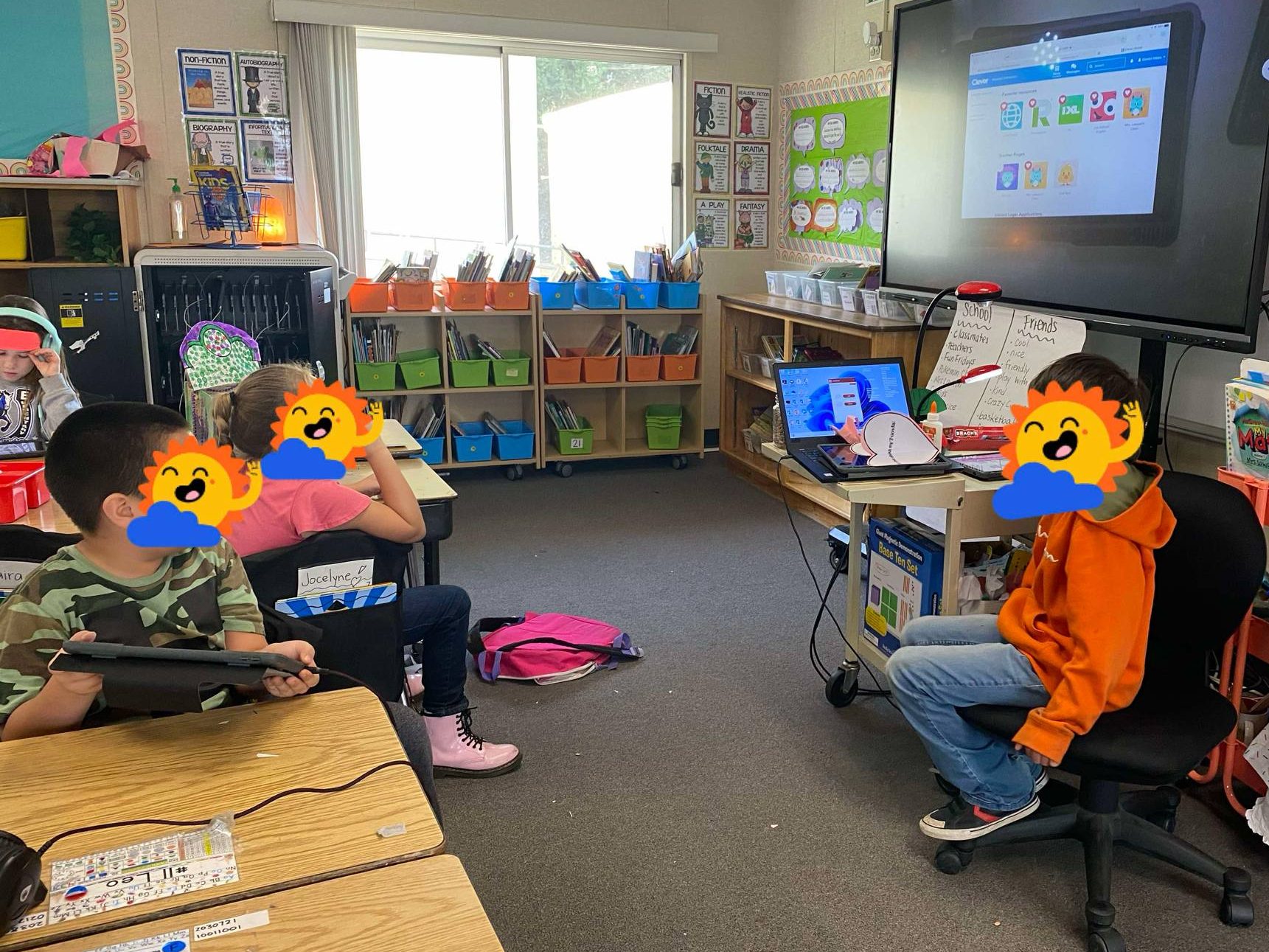
For whole-group behavior, I use a lighthearted and collaborative “Teacher vs. Students” system. The class works together to earn 10 points before I do—by showing focus, kindness, responsibility, and teamwork. If they win, they earn a pre-selected class reward, which helps build buy-in and excitement. Past rewards have included slime-making parties, baking days (like Lucky Charms Rice Krispie treats), and Pokémon-themed classroom transformations with activities and lessons tied to the theme. This system encourages students to “check” each other respectfully and work as a team to maintain a positive learning environment.

Individual Behavior Support
At the individual level, I follow school-wide PBIS frameworks, using whatever token economy or incentive system is in place. I provide frequent proximity praise and reinforcement, adjusting supports based on each student’s capacity, needs, and goals. My tone and approach remain rooted in positivity, flexibility, and empathy, with a focus on helping students build the internal tools to succeed behaviorally as well as academically.
Fostering Logical Understanding
Across all behavior systems, I emphasize logical connection and cause-effect thinking. I want students to understand how their choices affect others, how behavior shapes the flow of our day, and what they can control to set themselves up for success. For example, if we waste instructional time, that time often comes out of something fun later—and we talk about that openly and respectfully. My goal is to help students develop not just compliance, but self-awareness and ownership over their actions.

 jessica-lawson.com